The Technical University of Moldova and the Robert Koch Institute in Germany have started joint research activities within GENOMOLD, a project focused on bioinformatics and real-time genomic surveillance. The collaboration brings together UTM’s Institute of Microbiology and Biotechnology and the bioinformatics team at the Faculty of Computers, Informatics and Microelectronics (FCIM), alongside researchers from the German institute.
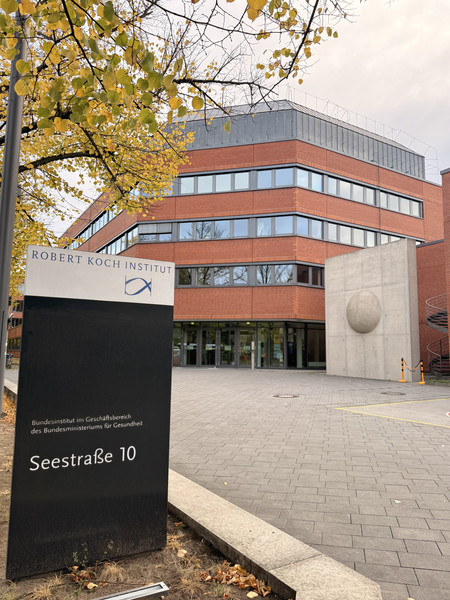
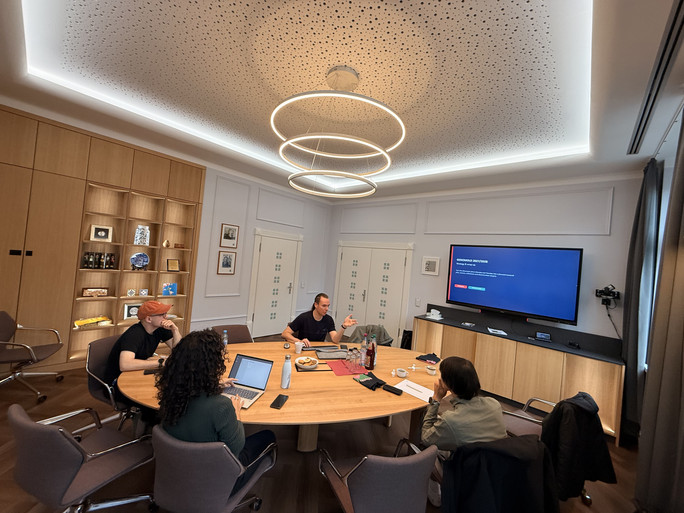
The project’s kick-off meeting took place in Berlin on 26–28 October 2026. UTM was represented by Dumitru Ciorbă and Dr Viorel Munteanu, Head of the Bioinformatics Laboratory. The meeting gave the teams an opportunity to discuss scientific priorities, present their capabilities and plan the next stages of their collaboration.
GENOMOLD aims to develop and apply methods for genomic data analysis, with a focus on pathogens and antimicrobial resistance. The partnership connects expertise in microbiology and genome sequencing with the development of algorithms and software tools needed to interpret the data.
The visit included a tour of the Robert Koch Institute’s laboratories and sequencing facilities. Discussions with RKI researchers covered sequencing technologies, environmental sample analysis and computational methods used in genomic surveillance. These meetings helped identify areas where the teams’ experience could support their joint research.
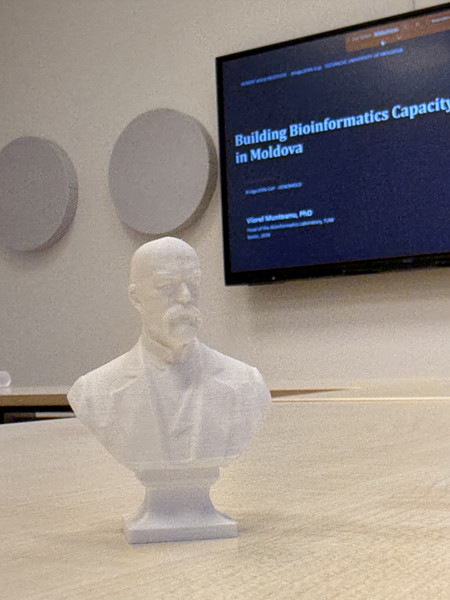
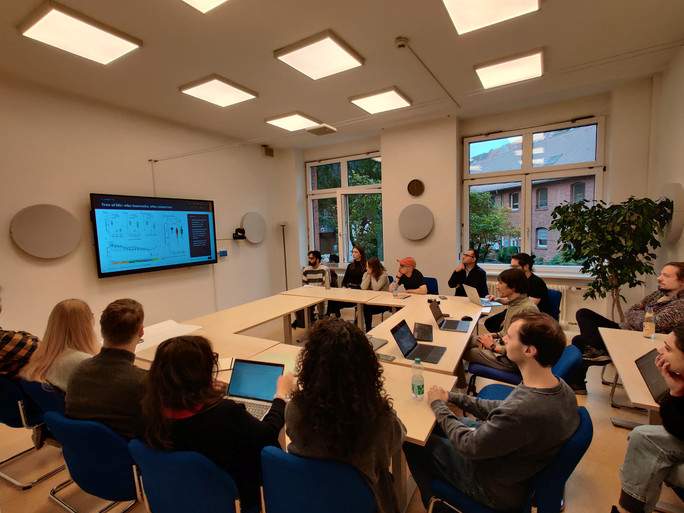
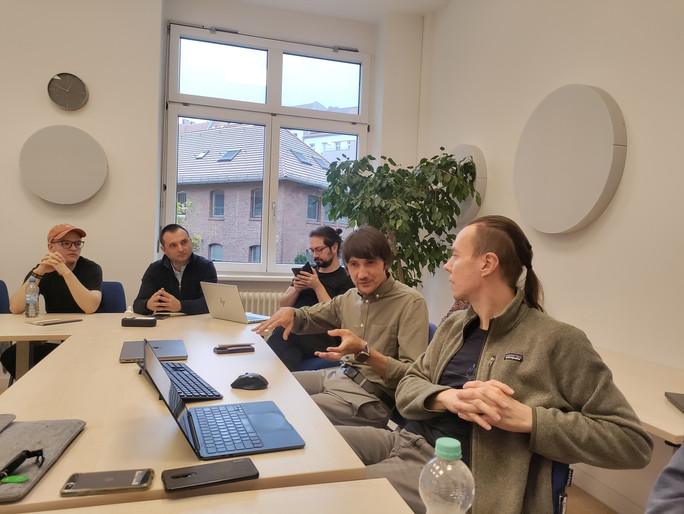
During the Young Scientists Seminar, the UTM representatives presented the university’s and FCIM’s bioinformatics capabilities, computing infrastructure and experience in research projects and international collaborations. The presentation introduced RKI colleagues to the UTM team’s contribution to genomic data analysis and software development.
Working sessions with Dr Martin Hölzer and his colleagues focused on shared research questions, datasets and analytical methods. The teams discussed the first stages of their investigations and plans for a joint scientific article based on the results of this collaboration.
For FCIM, GENOMOLD provides an opportunity to apply computing expertise to health and environmental research. The project also includes research exchanges, training activities and further development of the partnership to support participation in future European research initiatives.