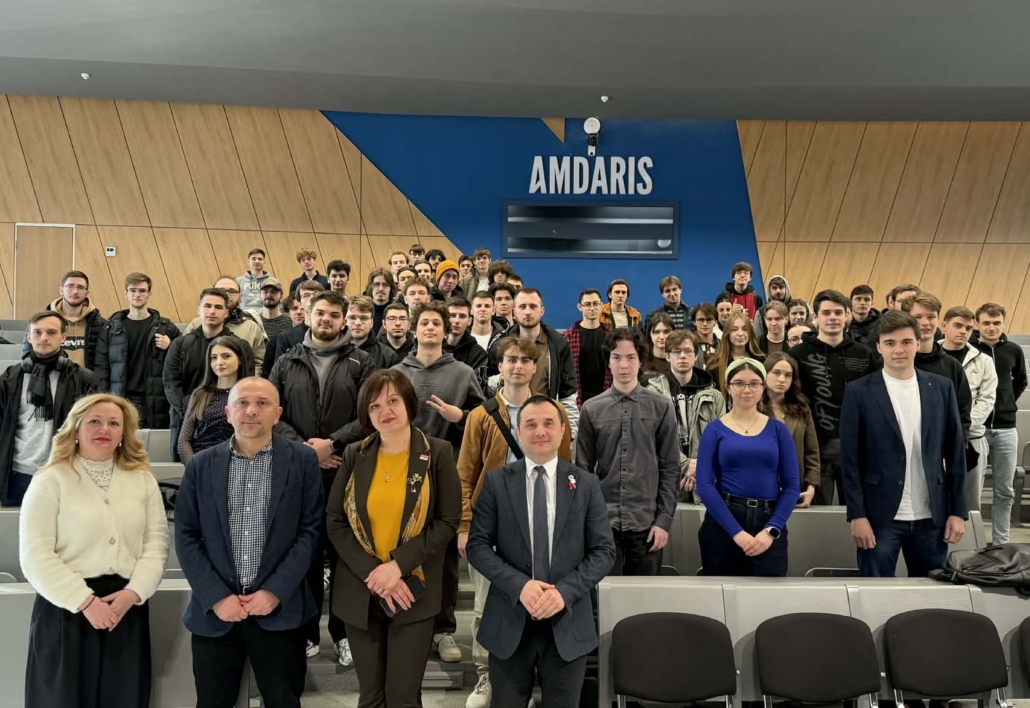
Financial intelligence and sustainable development – academic dialogue at FCIM
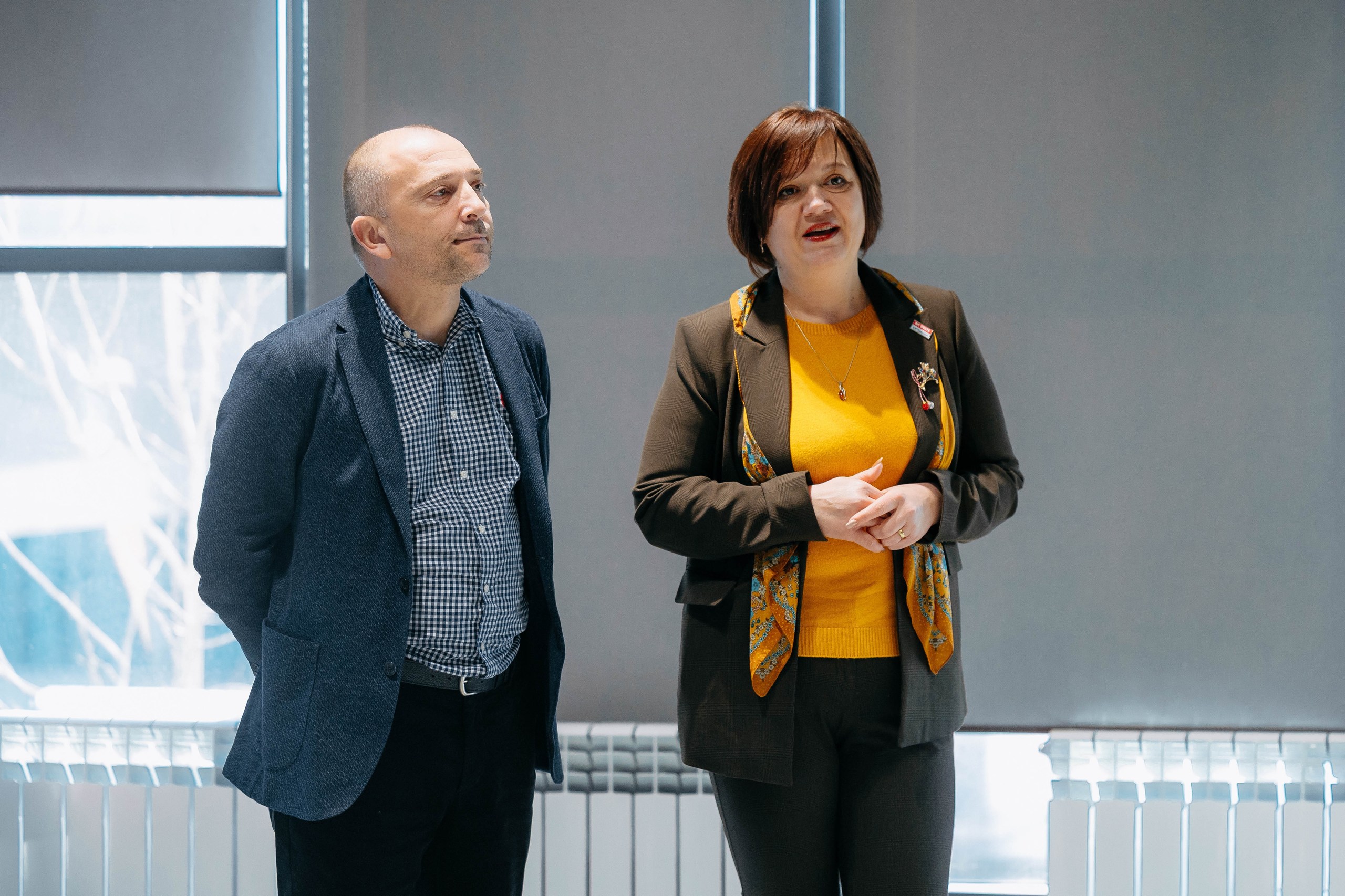
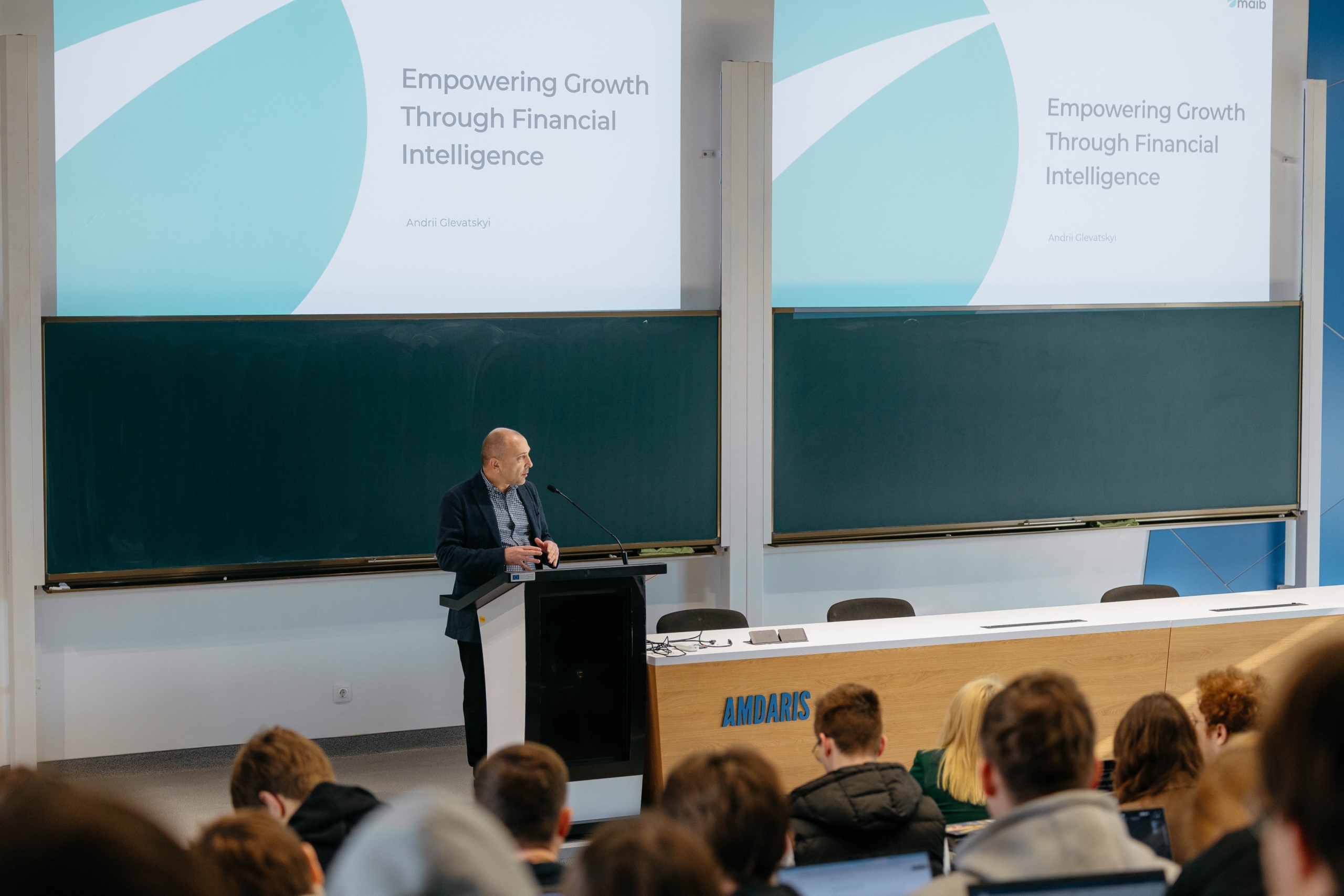
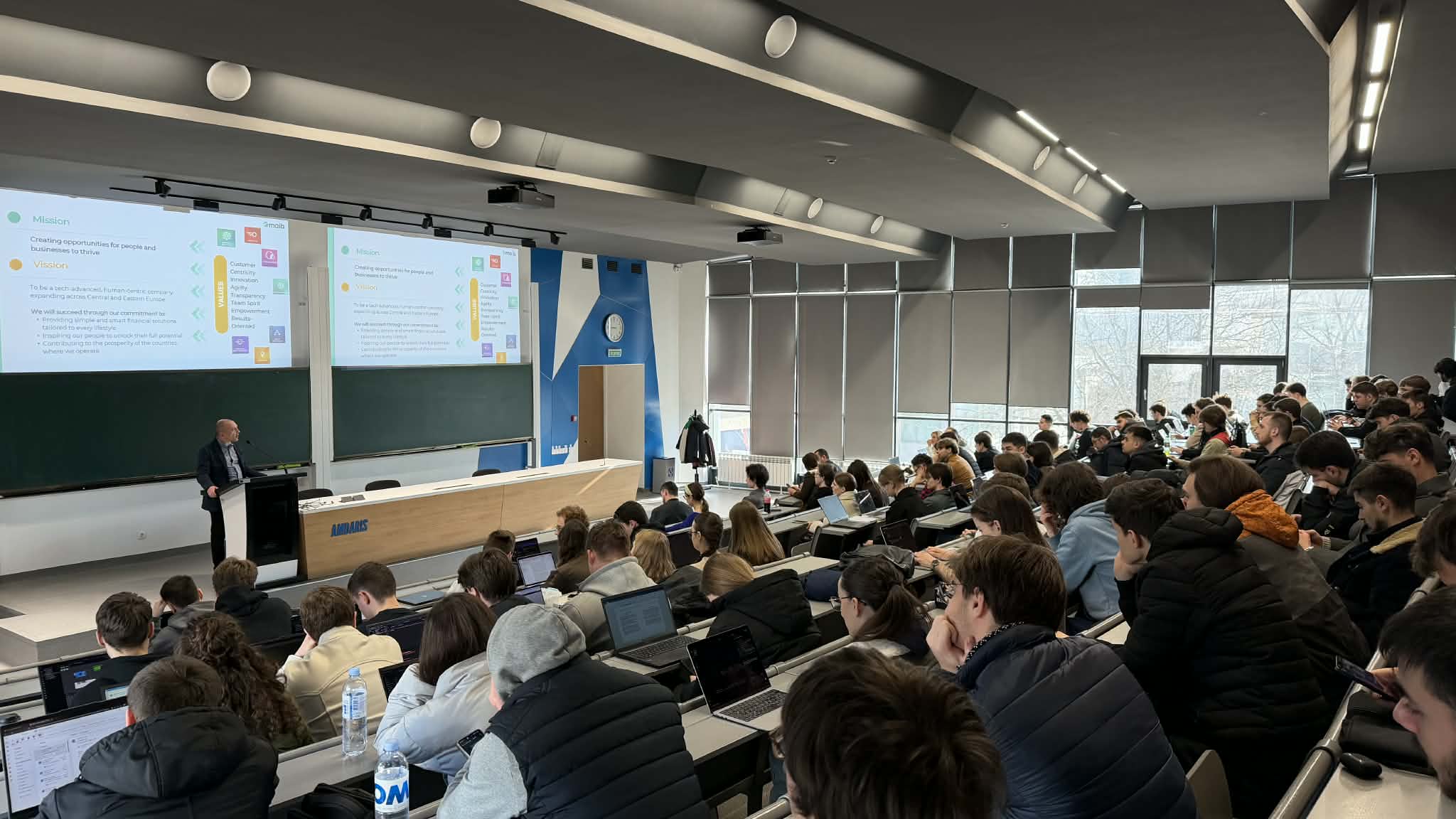
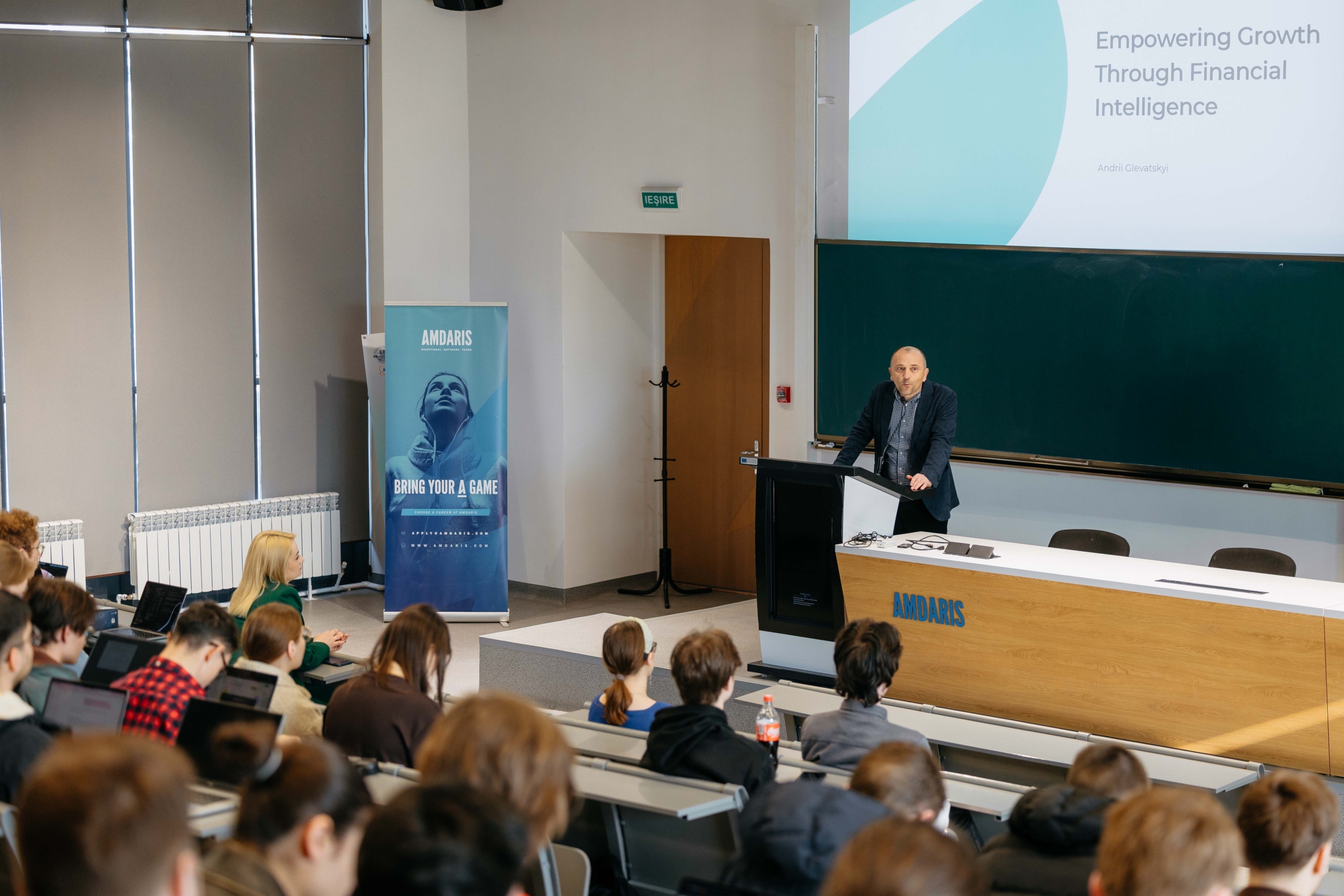
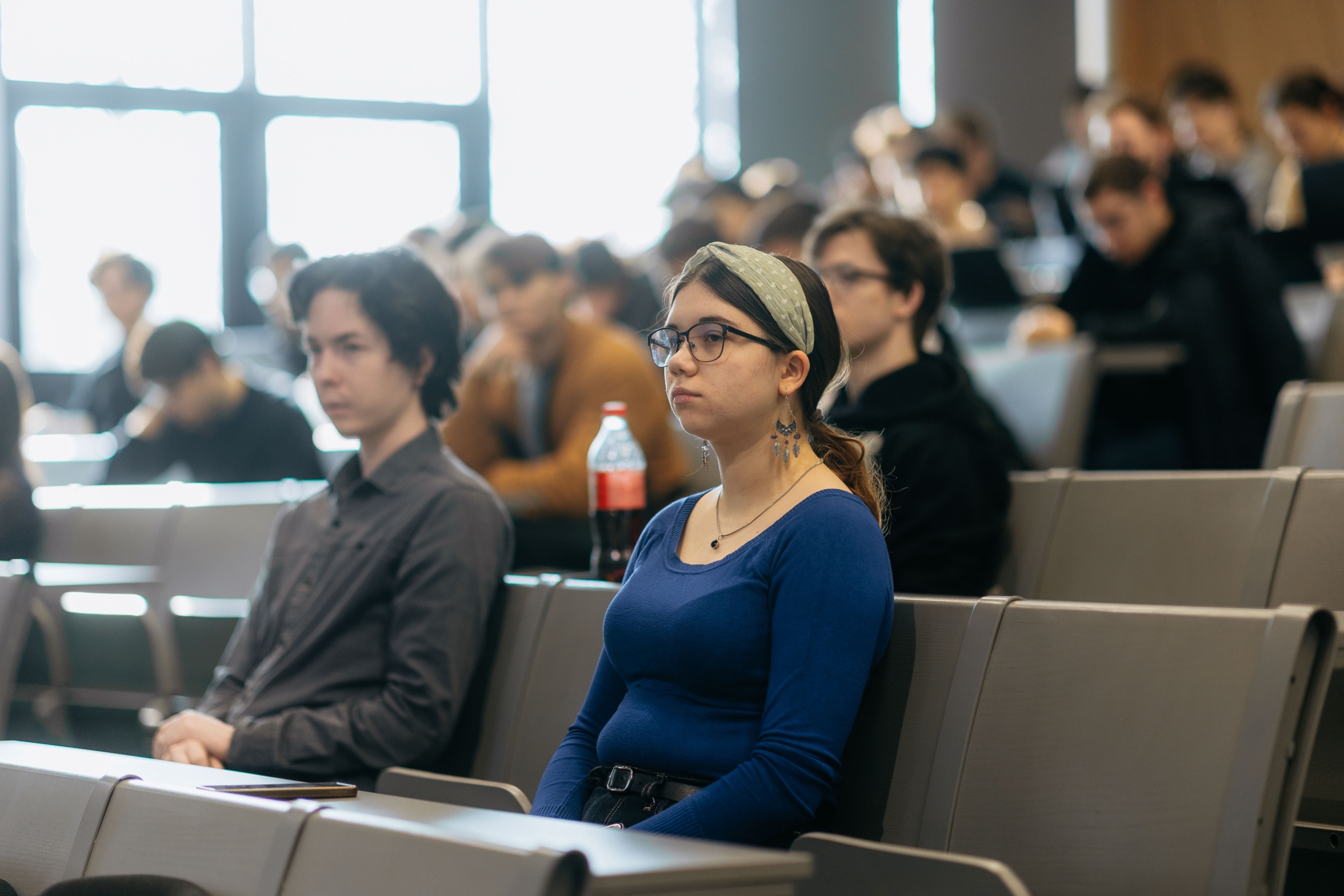
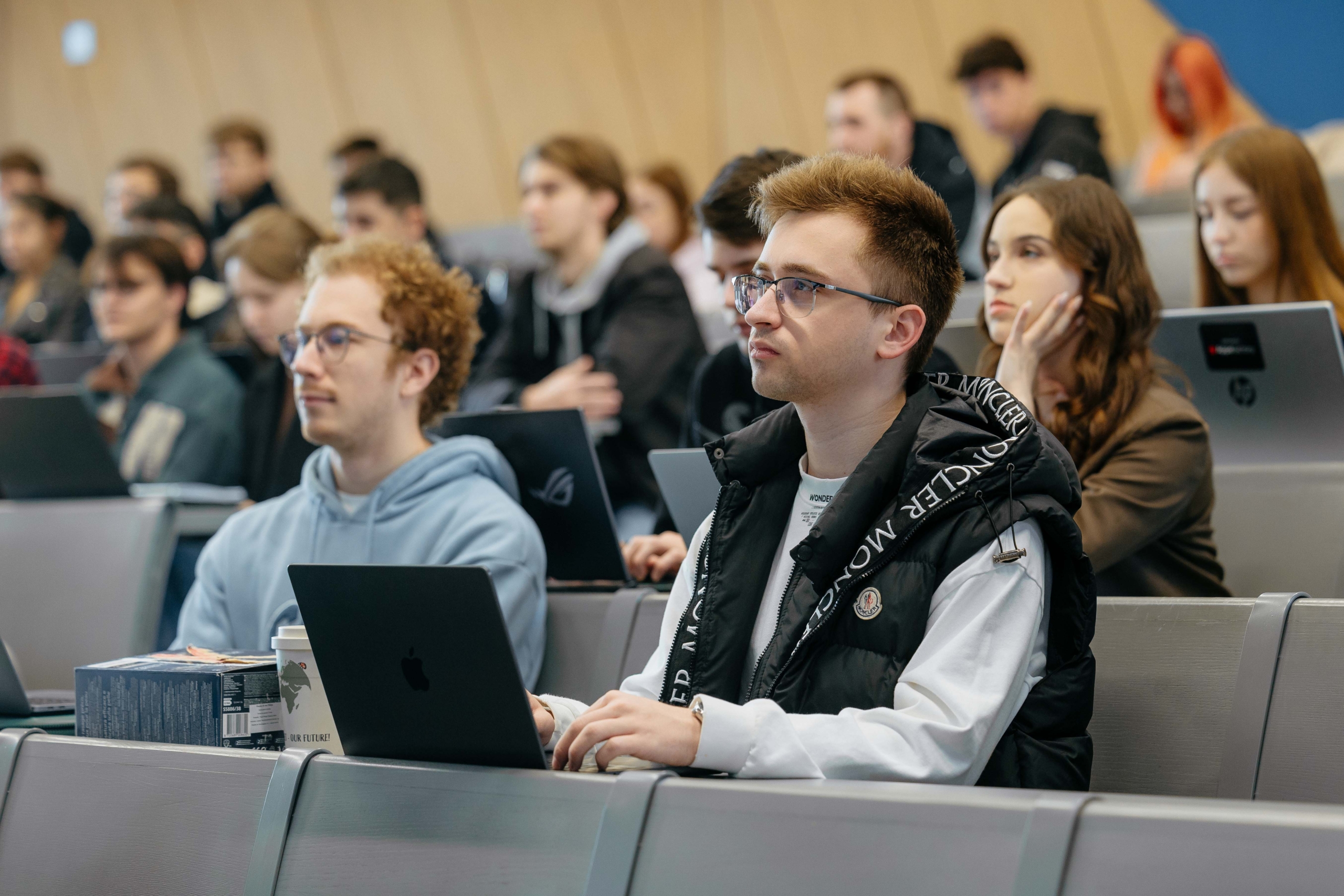
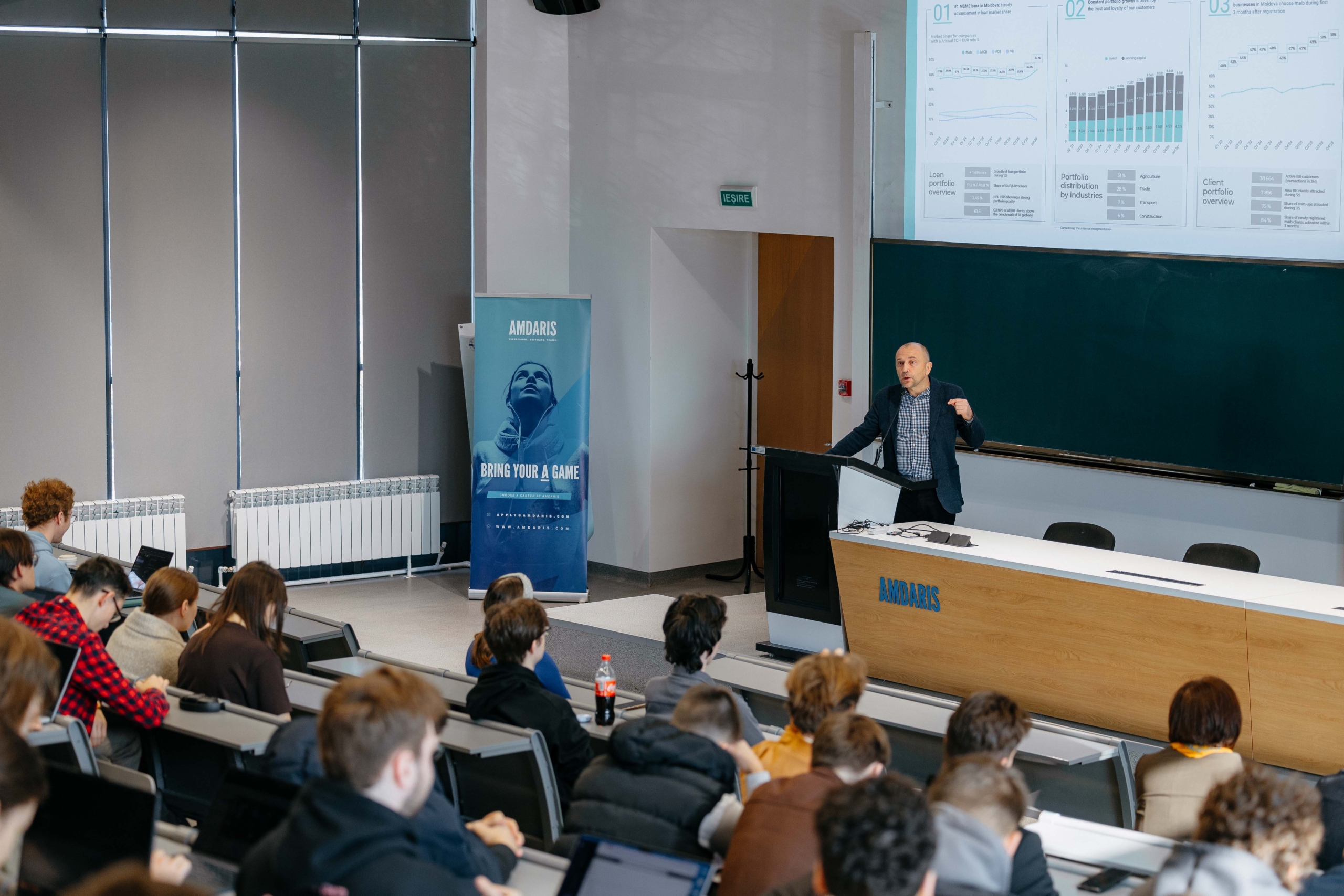
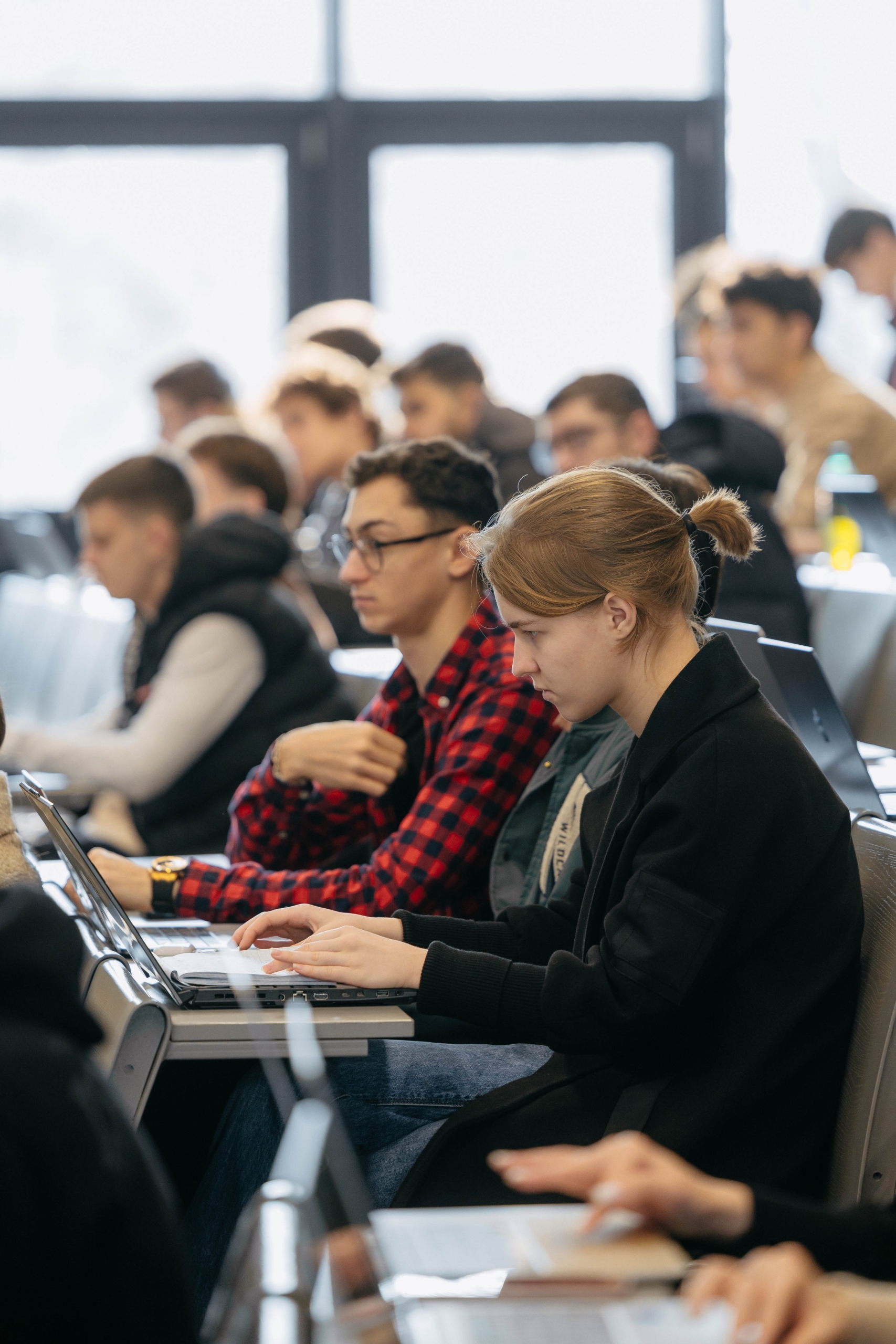
Within the course “Human Security and Sustainable Development,” taught by Daniela Pojar, Vice-Rector for Finance and International Relations at TUM, students of the Faculty of Computers, Informatics and Microelectronics participated in an academic activity featuring a special guest – Andrii Glevatskyi, Vice President of MAIB.
The presentation, entitled “Empowering Growth Through Financial Intelligence,” provided an integrated perspective on the role of financial education in economic and professional development. Structured around several key areas – an overview of MAIB, fundamental concepts of financial literacy, strategic priorities, and case studies – the session highlighted the importance of an informed and responsible approach to managing financial resources.
During the activity, key concepts were addressed, including the pillars of financial literacy (income, spending, saving, borrowing, and investing), its role in achieving personal and professional goals, as well as the importance of informational hygiene in preventing financial risks. At the same time, current trends in the banking sector were presented, with a focus on digitalization, the use of artificial intelligence, and the enhancement of customer experience through innovative financial solutions.
A significant aspect of the presentation was the staged model of financial literacy, illustrated through the process from awareness and decision-making to client growth and retention, emphasizing how financial competencies contribute to the sustainable development of both the business environment and society.
The activity provided students with a practical perspective on the interdependence between human security, economic stability, and financial competencies, contributing to the strengthening of their professional training and the development of critical thinking in relation to contemporary challenges.
The Faculty expresses its appreciation for the valuable contribution to the educational process and for the openness toward academic–practical dialogue.